


Follow this process in order to set up and operate a generator at a job site.
1. Follow these safety measures
- Operate equipment while wearing proper PPE.
- Check the machine for loosened threads or bolts before starting.
- Never touch the machine while hot - allow parts to cool before performing service and maintenance or adding fuel.
- The engine of the generator requires adequate free flow of cooling air. Never operate the generator in an enclosed or narrow area where free flow of air is restricted.
See Operator's Manual for more specific safety instructions pertaining to transportation and maintenance.
2. Understand the generator's control panel
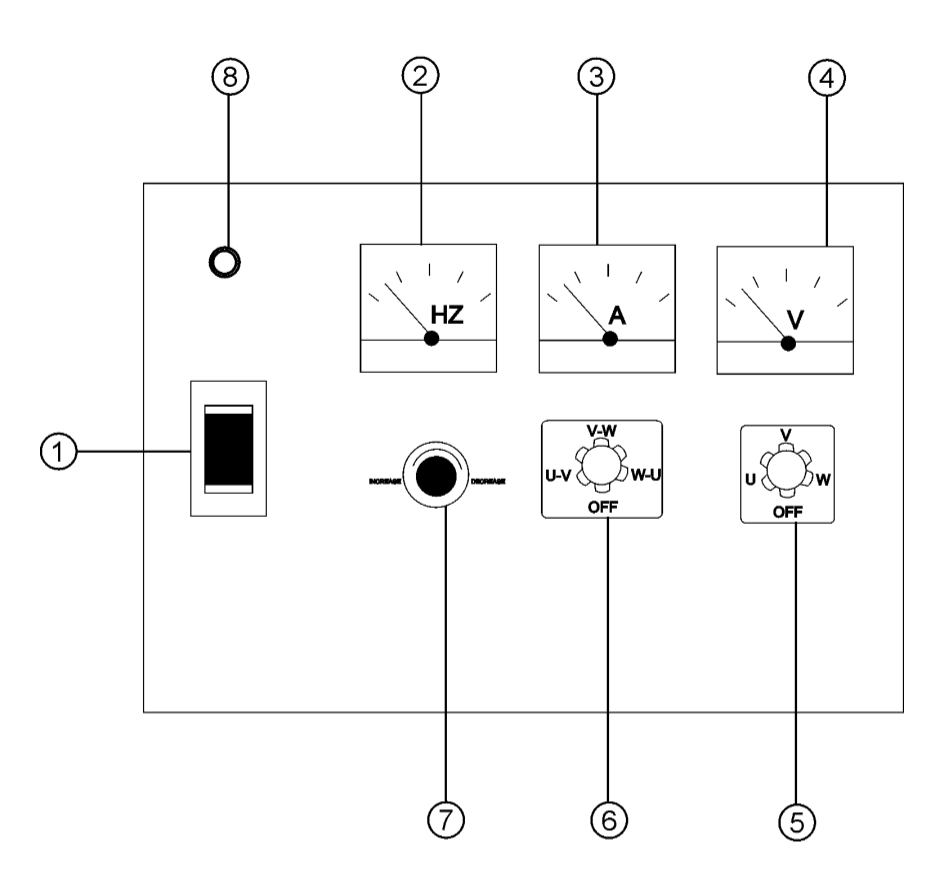
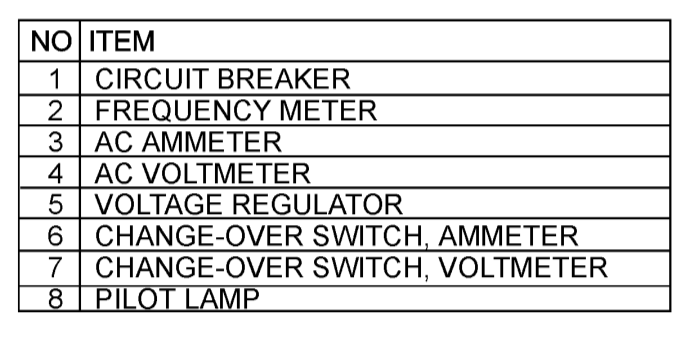
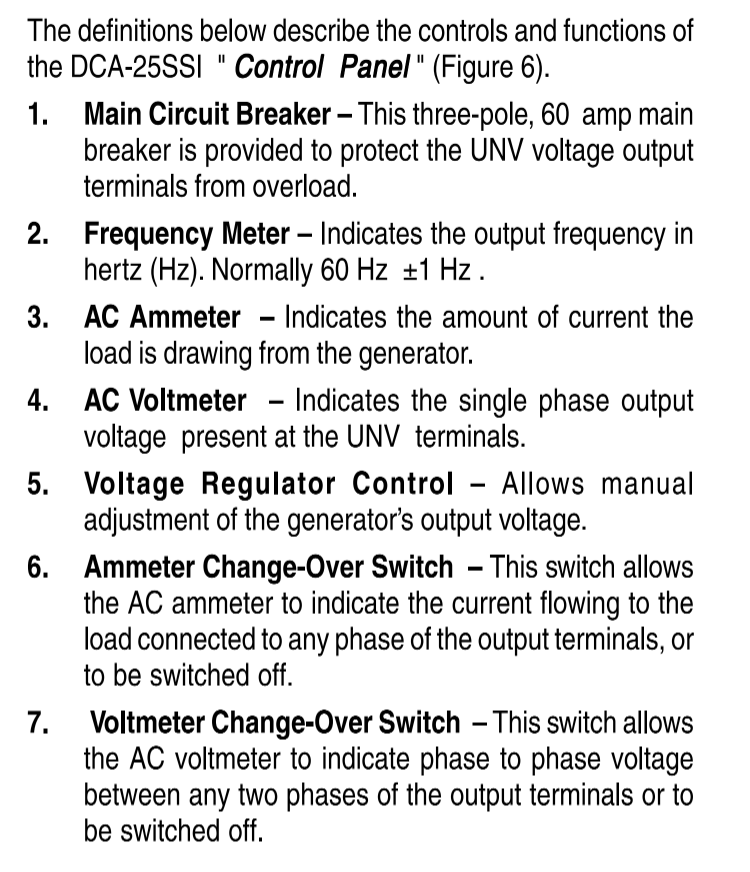
3. Understand the engine operating panel
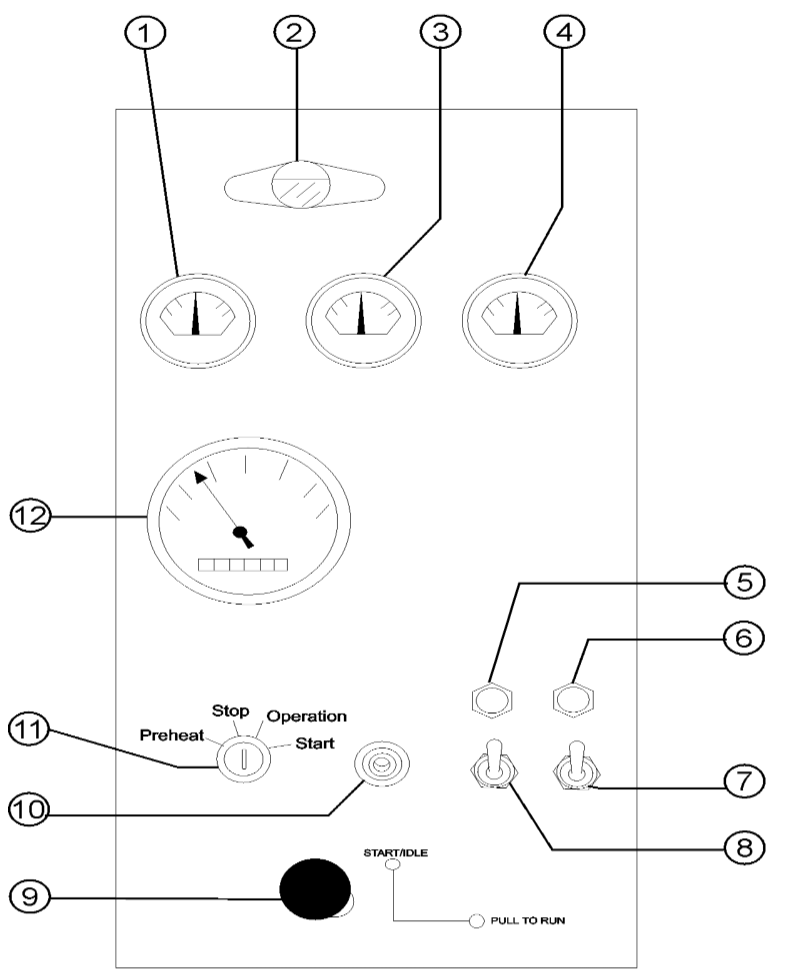
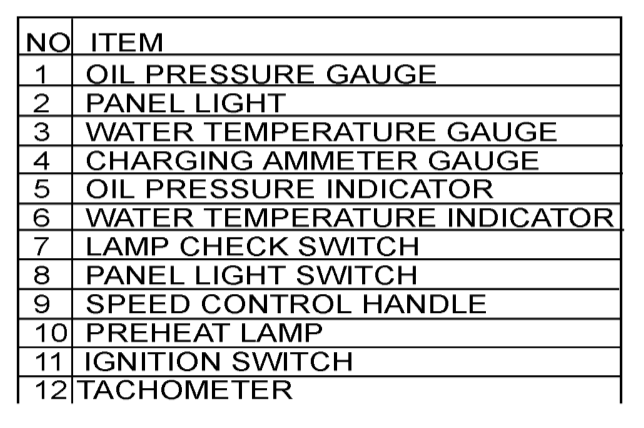
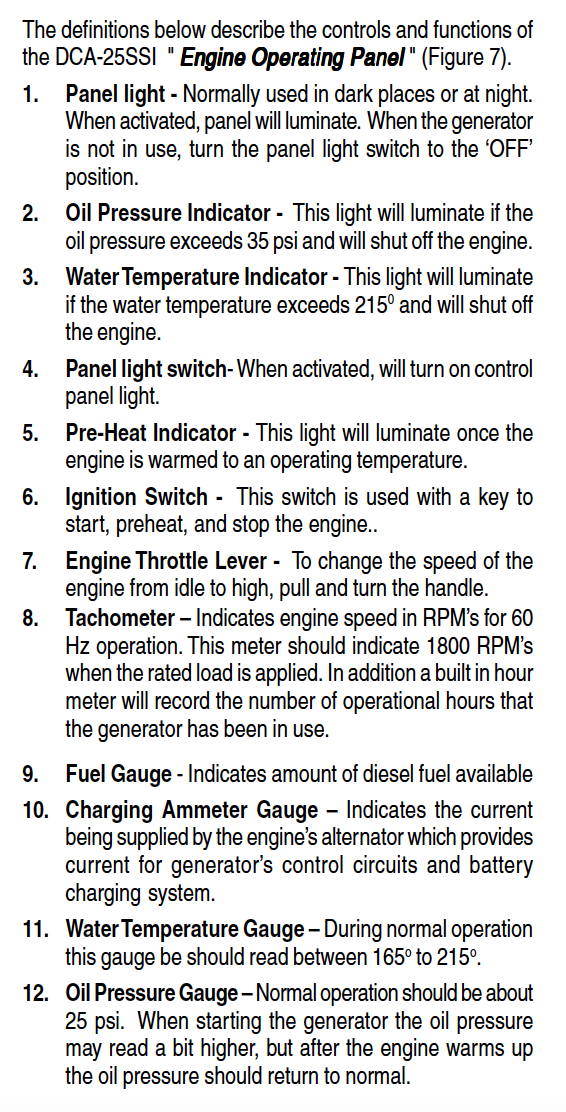
4. Install the generator on secure, level ground
If outdoors, ensure it will not be exposed to rain or sunshine. Place it where the exhaust will not be directed toward other homes.
If indoors, ensure exhaust fumes are vented to the outside. Install at least 2 feet from any outside wall, 6 inches above floor or grade level.
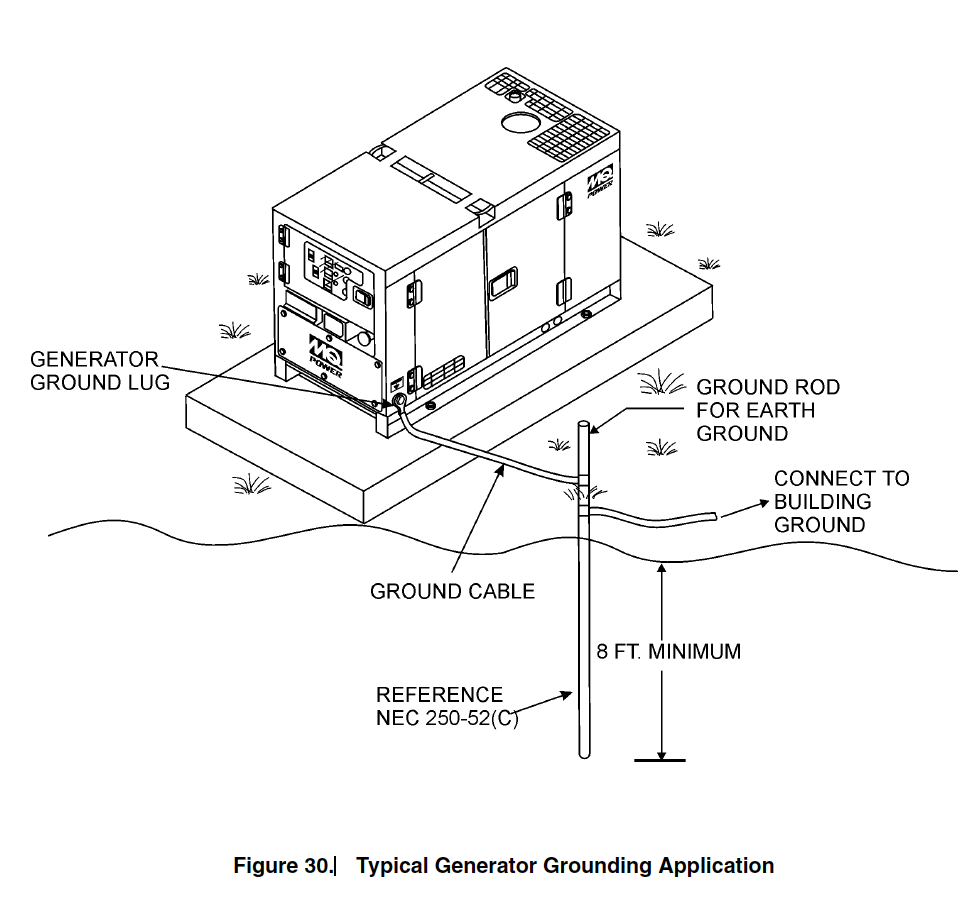
5. Ensure the generator is properly grounded
Use copper or aluminum wire to ground the generator, connecting the ground cable between the lock washer and the nut on the generator and tightening the nut fully. Connect the other end of the ground cable to earth ground - a rod buried at least 8ft. into the ground.
6. Use an appropriate extension cord if necessary
Always consult with a licensed electrician for appropriate extension cord wire size to protect the generator from an overload.
7. Fill the engine crankcase with lubricating oil
Do not overfill.
8. Fill the fuel tank with clean and fresh diesel fuel
Do not fill the tank beyond capacity. Close the fuel tank cap tightly after filling.
9. Use drinkable tap water as coolant
10. Add proper amount of antifreeze if using in freezing weather
11. Adjust fan belt as needed
Adjust to 10-15mm defection.
12. Install battery cables
Ensure they are properly connected to the battery terminals - RED is connected to the positive terminal of the battery, and BLACK to the negative terminal.
Before doing this, remove the key from the ignition and ensure the ignition switch is OFF. Place a small amount of grease around both battery terminals to ensure good connection and prevent corrosion.
13. Disconnect electrical load and switch main, load and GFCI circuit breakers to OFF before starting engine
14. Connect load to UNV terminals and tighten terminal nuts
15. Close engine enclosure doors
16. Check voltage selection switch is at desired voltage
17. Ensure engine throttle is in 'start/idle'
18. Turn engine key to preheat, until preheat indicator turns on
19. Turn ignition key to 'Start' until engine starts, then release key to 'Run'
20. Pull engine throttle and turn to the right until metal stop rests against control panel
21. Ensure all parameters are within normal
The frequency meter displays 60-cycle output frequency in Hertz.
The voltage meter displays 120VAC in volts. If voltage is not within specified frequency tolerance, use voltage adjustment control knob to increase or decrease desired voltage.
The ammeter will indicate zero amps with no load applied. When a load is applied, the meter indicates the amount of current being drawn from the generator's alternator.
The engine oil pressure gauge indicates oil pressure of the engine, normally around 25 psi.
The coolant temperature gauge indicates coolant temperature, normally between 165-215 degrees Fahrenheit.
The tachometer indicates the speed of the engine when the generator is operating, normally around 1800 RPMs.
22. Turn main, GFCI and load circuit breakers to ON position
Ensure ammeter reads the anticipated amount of current with respect to the load.
The generator will run until manually stopped or an abnormal condition occurs.
23. Shut down the generator safely when ready
- Switch main, GFCI and load circuit breakers to OFF.
- Set engine throttle lever to low position.
- Let engine cool by running for 3-5 minutes with no load applied.
- Turn ignition key to 'Stop'.
- Remove load from the UNV terminal strip.
