
new article
•11 June, 2024
Restoration 1, KnowHow Announce Strategic Partnership to Benefit Franchisees
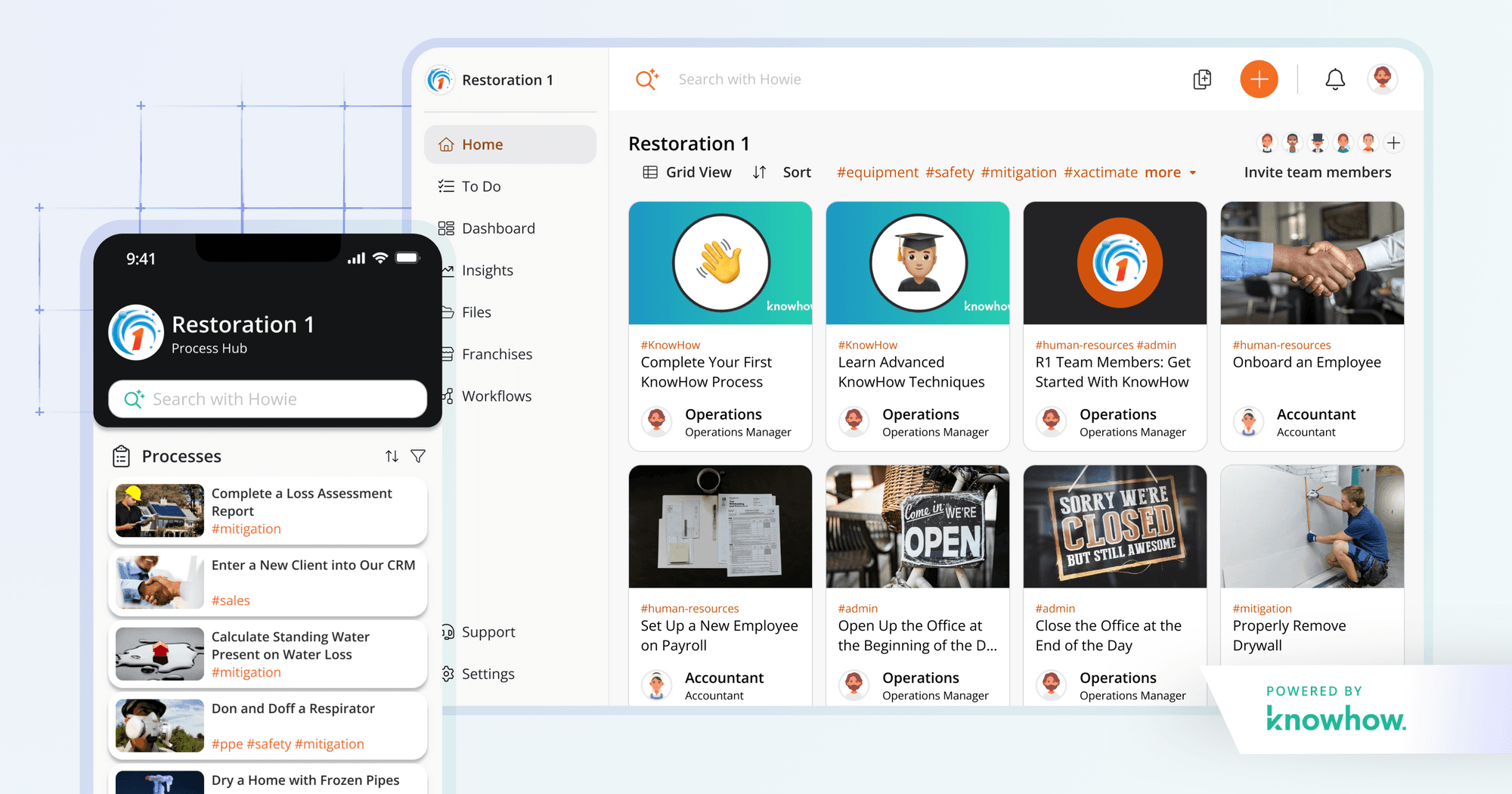
DALLAS – June 11, 2024 – Restoration 1, an award-winning restoration franchise in North America, today announced its partnership with KnowHow, an AI-powered, mobile-first training and operational how-to app primarily used by restoration business owners. Through the partnership, KnowHow will serve as a resource for Restoration 1 franchisees to streamline the onboarding and training of new employees while also providing access to up-to-date resources across all franchise locations.
“As Restoratio
All Articles
topics
AllFive Star RestorerHiringLeadershipOnboardingOperationsPartnershipsProduct UpdateRetentionSalesWhy Workers QuitRestoration 1, KnowHow Announce Strategic Partnership to Benefit Franchisees
DALLAS – June 11, 2024 – Restoration 1, an award-winning restoration franchise in North America, today announced its partnership with KnowHow, an AI-powered, mobile-first training and operational how-to app primarily used by restoration business owners. Through the partnership, KnowHow will serve as a resource for Restoration 1 franchisees to streamline the onboarding and training of new employees while also providing access to up-to-date resources across all franchise locations.
“As Restoratio
magicplan and KnowHow Announce Strategic Partnership to Enhance Project Management Solutions
magicplan, the leading provider of real-time sketching and documentation technology, is partnering with KnowHow, an easy-to-use platform that helps the restoration industry onboard, upskill, and optimize its workforce, to transform how professionals approach project management and execution.
RIA Welcomes KnowHow as Affinity Partner, Elevating Industry Training
The RIA is pleased to announce a new Affinity Partnership with KnowHow to provide value to RIA members and their workforces through an easy-to-use app that makes onboarding new hires faster, reduces downtime on-site, and boosts overall productivity.
Voda Cleaning & Restoration Franchise Adopts KnowHow's AI-Powered App to Enhance Franchise Support, Strengthen Operations, and Drive Growth
Voda Cleaning & Restoration, a rapidly growing home services franchise brand, has officially adopted KnowHow's cutting-edge, AI-powered, mobile and desktop app to empower its franchise network for unprecedented growth.
True North Restoration Adopts KnowHow to Provide Compassionate Service at Scale
True North Restoration identifies KnowHow as the ideal platform to rapidly onboard new hires, upskill its workforce, and boost overall productivity. The integration of KnowHow’s mobile and desktop apps with AI-powered mentor, Howie, positions True North Restoration to lead the industry.
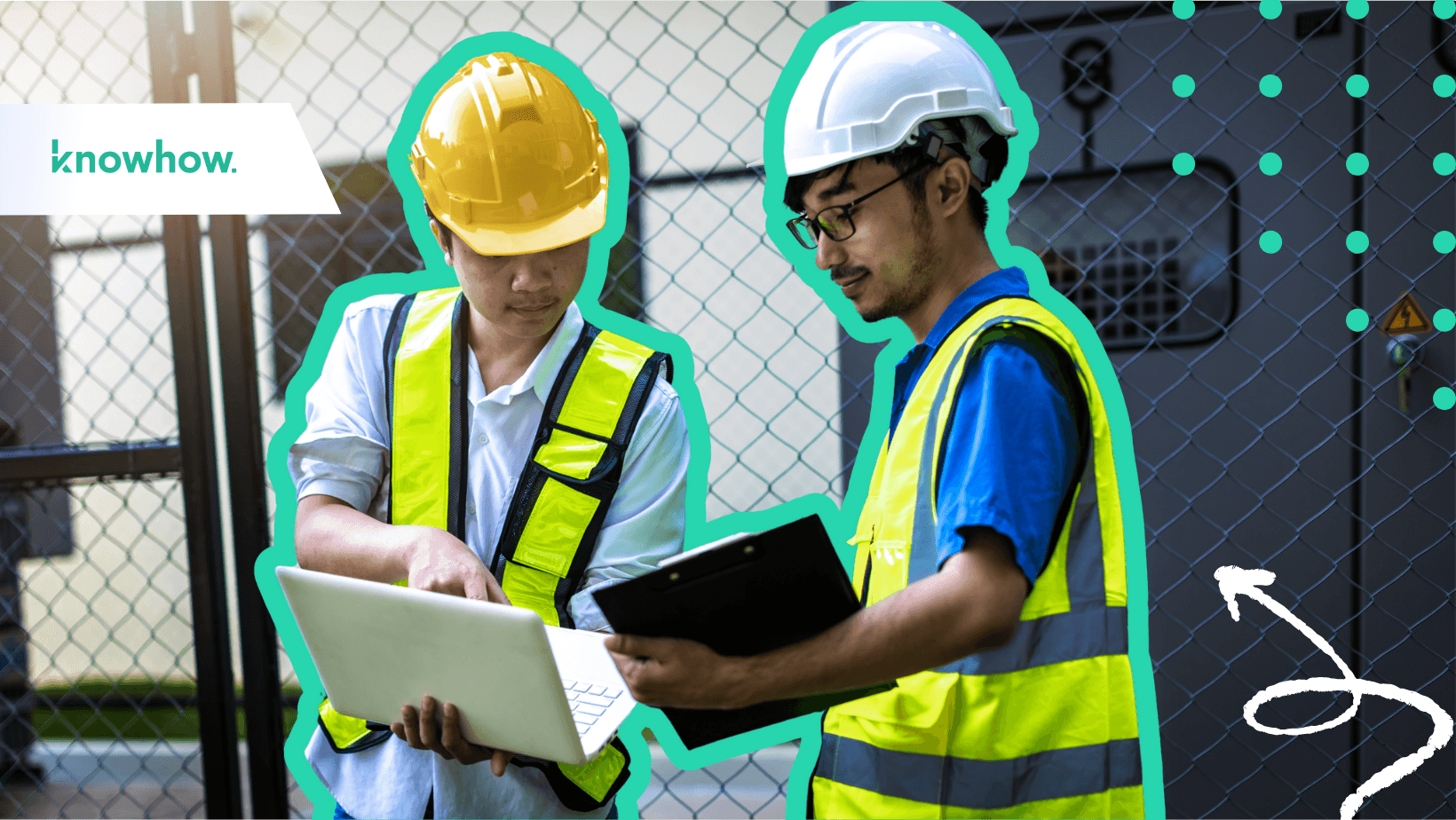
The 5 Best Restoration Training SOPs for New Estimators
With endless tools and software to learn and each insurance company imposing its own set of requirements, estimators face a steep learning curve.
SOPs for new estimators can help.